🔥Limited Offer: Get 50% OFFon AI & Full Stack Courses🔥
Back to Git Notes
Topic #18

GitHub Get Started


Change Platform:


Get Started with GitHub

Welcome! This page will guide you through the first steps of using GitHub for version control and collaboration.


1. Sign Up for GitHub

Go to GitHub and create a free account:

Screenshot showing GitHub sign up page

Note: Use the same email address you plan to use for your Git configuration.


2. Create a Repository

After signing in, click the New button to create a new repository:
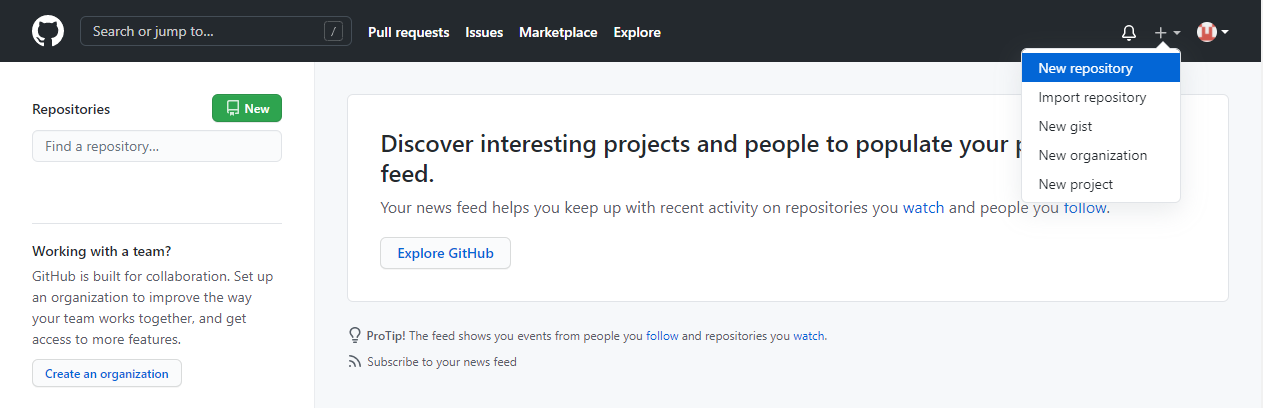
Screenshot showing how to create a new repository on GitHub

Fill in the repository details (name, description, public/private, etc.) and click Create repository:
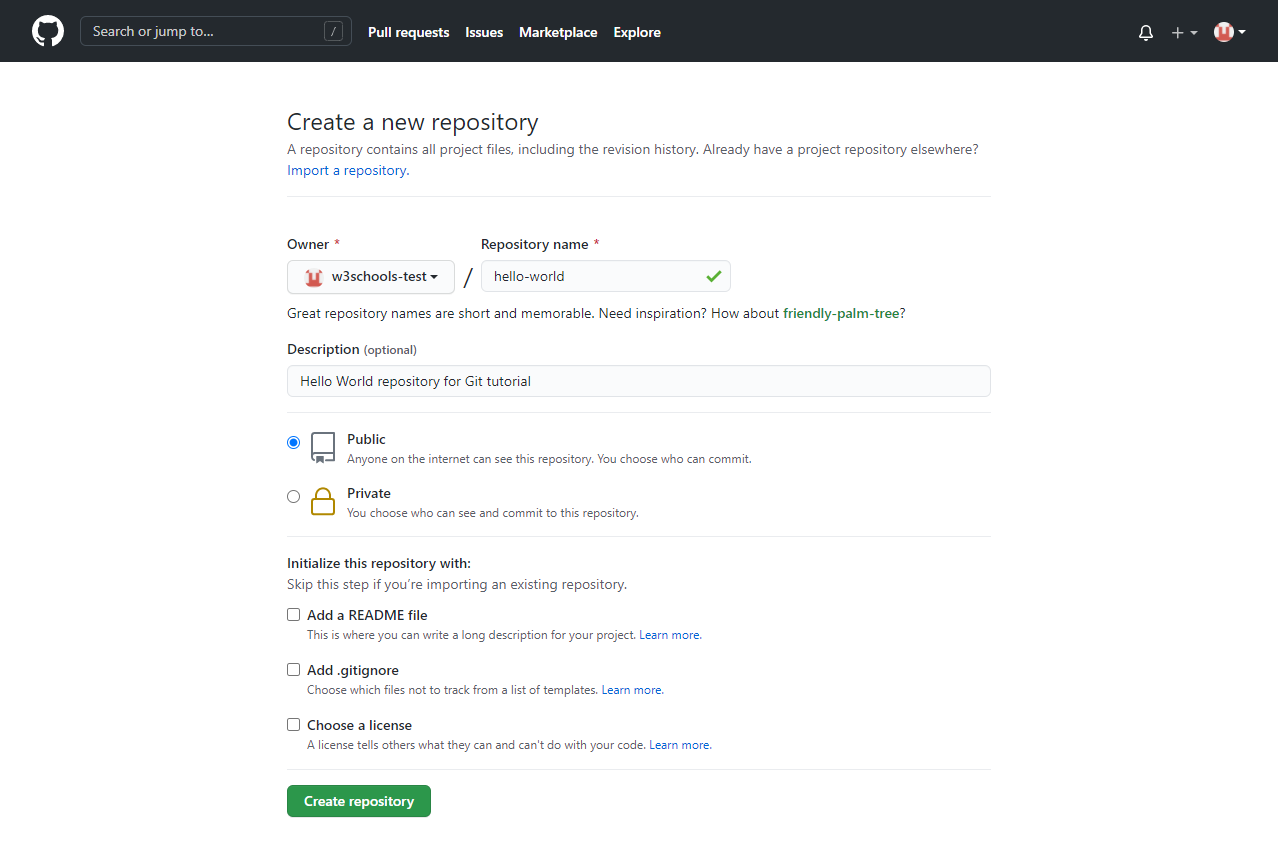
Screenshot showing the create new repo form on GitHub


3. What is a Remote Repository?

A remote repository is a version of your project hosted on the internet. GitHub is a popular platform for hosting remote repositories, enabling you to collaborate with others and back up your code.


Next, you will learn how to securely connect your computer to GitHub using SSH.

Want to go beyond the notes?

Join CodingNow 2.0's Git course — live mentorship, real projects, and 100% placement support.

Enroll Now — Free Demo Available

GitHub Get Started – FAQs

Quick answers about learning GitHub Get Started in Git.

This free note from CodingNow 2.0 explains GitHub Get Started in Git — concept, syntax and worked code examples you can copy, run and revise before interviews.
Yes. Every Git topic on CodingNow 2.0, including GitHub Get Started, is 100% free with no signup required.
With focused practice, most students grasp GitHub Get Started in 1–3 days from these notes; pairing it with CodingNow 2.0's mentor-led course takes you to job-ready depth faster.
Use the code examples in this note, then ask doubts for free on the CodingNow 2.0 Community (/community) — expert instructors answer within 24 hours.
WhatsApp
Call NowEnroll Now